ByJohn A
How Technology Is Improving Smart Farming Practices
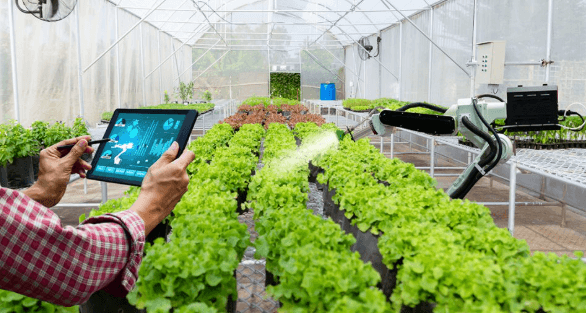
Technology is transforming smart farming by enabling precise input control and proactive management. Precision planting, drone scouting, and sensor networks align operations with soil variation and microclimates. Real-time data from IoT devices and edge computing supports timely, targeted actions. A satellite-to-AI framework translates broad observations into specific steps, while scalable, interoperable systems balance upfront costs with long-term value. The result is measurable gains in efficiency, yield, and sustainability that invite closer inspection.
What Smart Farming Tech Really Delivers Today
Smart farming technology currently delivers measurable gains in efficiency, yield, and sustainability. It grants farmers tighter control over inputs and timing, enabling proactive decisions rather than reactive fixes. Precision planting and drone scouting exemplify practical benefits, aligning seed placement with soil variation and enabling rapid field assessments. The result is clearer resource stewardship, lower costs, and greater autonomy in pursuing productive, resilient farming futures.
How Sensors, IoT, and Data Drive Field Decisions
Sensors, IoT networks, and real-time data streams are transforming field decisions by turning disparate measurements into actionable insight. In practice, automated sensors map soil moisture, nutrient levels, and microclimates; robotics adoption accelerates timely interventions. Edge computing processes data near sources, reducing latency and enabling immediate responses, while farmers balance automation with human judgment, preserving agile, freedom-centered decision making.
From Satellite Imaging to AI Insights: A Decision Framework
From satellite imaging to AI-driven insights, a structured decision framework guides farmers from broad landscape data to precise field actions.
The approach translates high-level observations into actionable steps, balancing timeliness with accuracy.
Balancing Cost, Scale, and Sustainability in Tech Adoption
How can farmers reconcile cost, scale, and sustainability when adopting new technologies for farming? Enterprises weigh cost tradeoffs, upfront investment against long-term savings, while evaluating maintenance, energy use, and data management.
Scale limitations persist as pilots often outgrow small farms. Decisions favor modular, interoperable solutions, shared services, and prudent pacing to balance profitability with environmental stewardship and long-term resilience.
See also: oforektomerad
Frequently Asked Questions
What Are the Real Privacy Implications of Smart Farming Data?
The real privacy implications involve privacy concerns and data ownership; stakeholders worry about who controls farm data, how it’s shared, and potential misuse. Data governance, clear ownership terms, and robust consent frameworks are essential for freedom and trust.
How Do Farmers Access Credible Tech Training Quickly?
Farmers can access quick training through reputable online courses, local extension programs, and credible access to certified trainers. They evaluate content quality, seek hands-on workshops, and prioritize practical, scalable skills that empower autonomous, freedom-loving agricultural decision-making.
Can Small Farms Afford Ongoing Device Maintenance Costs?
Small farms often struggle with ongoing device maintenance costs, but careful budgeting and scalable tech choices can limit strain on small farm finances while preserving maintenance credibility and long-term reliability for independent producers seeking freedom.
What Guarantees Exist for Data Ownership With Vendors?
Data ownership remains uncertain, but vendor guarantees vary; smart farming claims depend on contracts. Some vendors provide clear data ownership terms and robust safeguards, yet buyers should insist on explicit, transferable rights and independent data access assurances.
How Is Labor Impact Measured Alongside Automation Benefits?
Labor impact is assessed by comparing labor productivity gains against automation ROI, using standardized metrics and time horizons; reductions in manual effort, shifts to high-skill tasks, and productivity uplifts frame both efficiency and worker adaptability in farming.
Conclusion
Technology-enhanced farming now delivers measurable gains in efficiency, yield, and sustainability, driven by precise inputs, timely alerts, and automated actions. A satellite-to-AI decision framework translates big-picture observations into targeted field steps, while modular, interoperable systems keep costs manageable. Example: a mid-sized farm using drone scouting, soil sensors, and edge computing reduced water use by 25% and boosted yields by 12% in a single growing season. The result is scalable precision with practical value.